


News

May 5, 2026 — Sensor Converge 2026, North America’s premier event for electronic design engineers, kicked off at the Santa Clara Convention Center in California. At this world-class summit for sensors and intelligent systems, ADW made a stunning debut with its system-level thermal management solutions for AI Computing and Embodied AI.
Centered around three core innovations—the Micro-jet Air Fan, the Micro-jet Liquid Pump, and the Secondary-side Coolant Flow Monitoring Solution—ADW demonstrated its deep expertise in intelligent sensing and precision actuation. The technical presentations and live demonstrations drew large crowds of industry professionals, generating significant buzz throughout the venue.
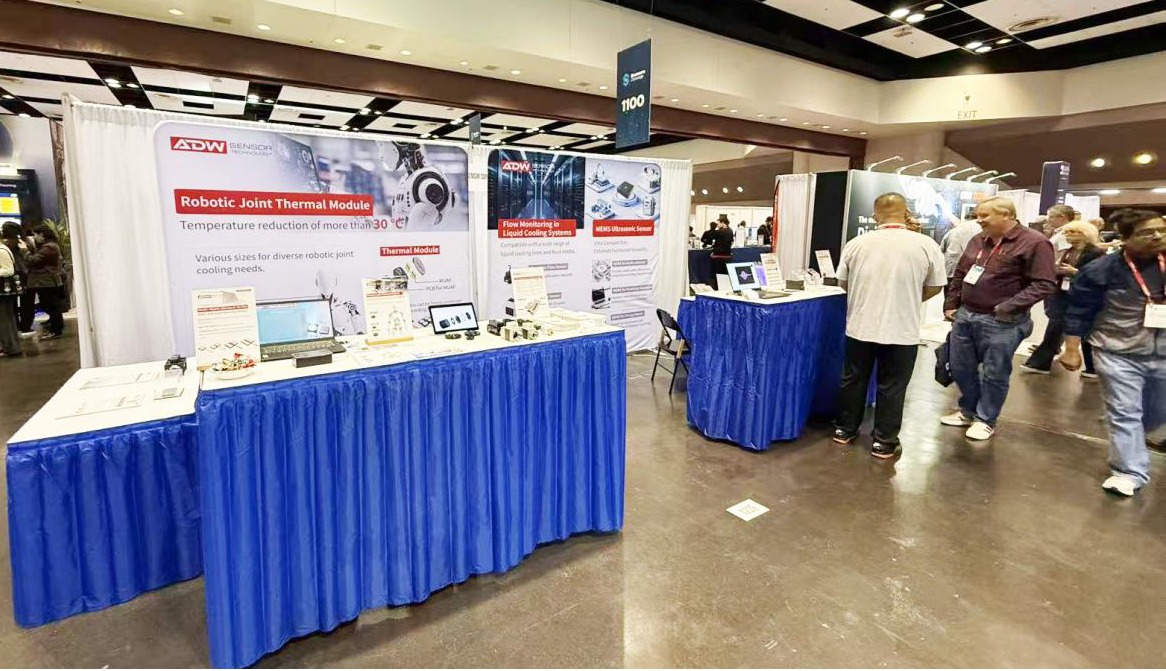
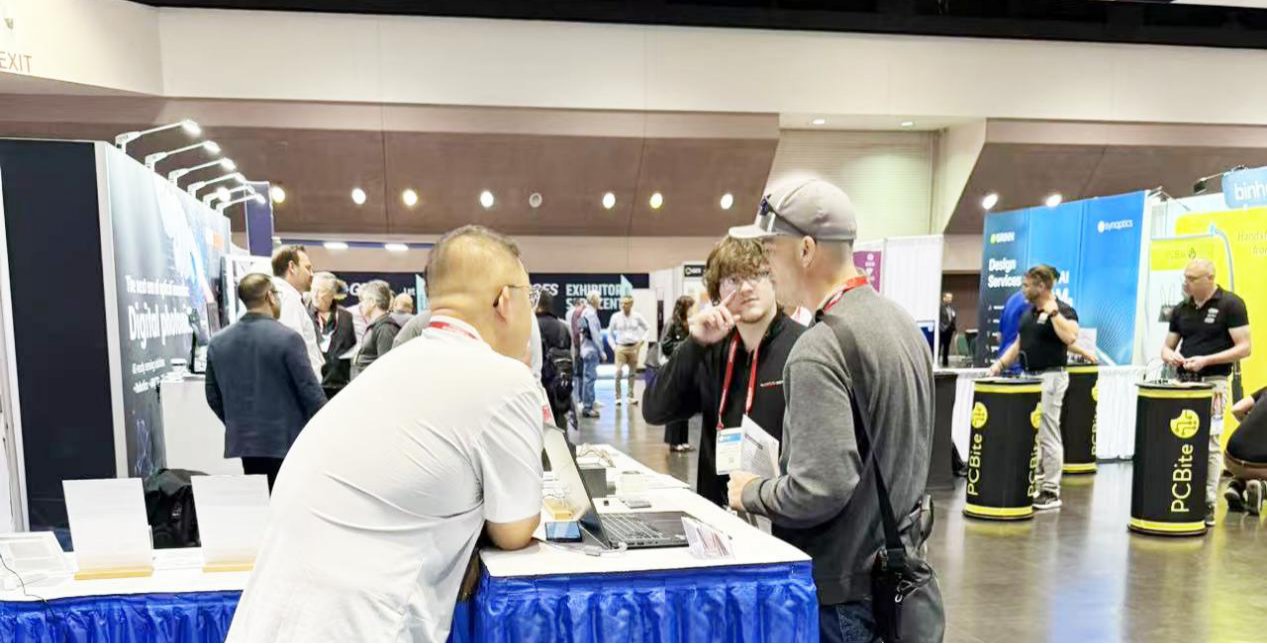
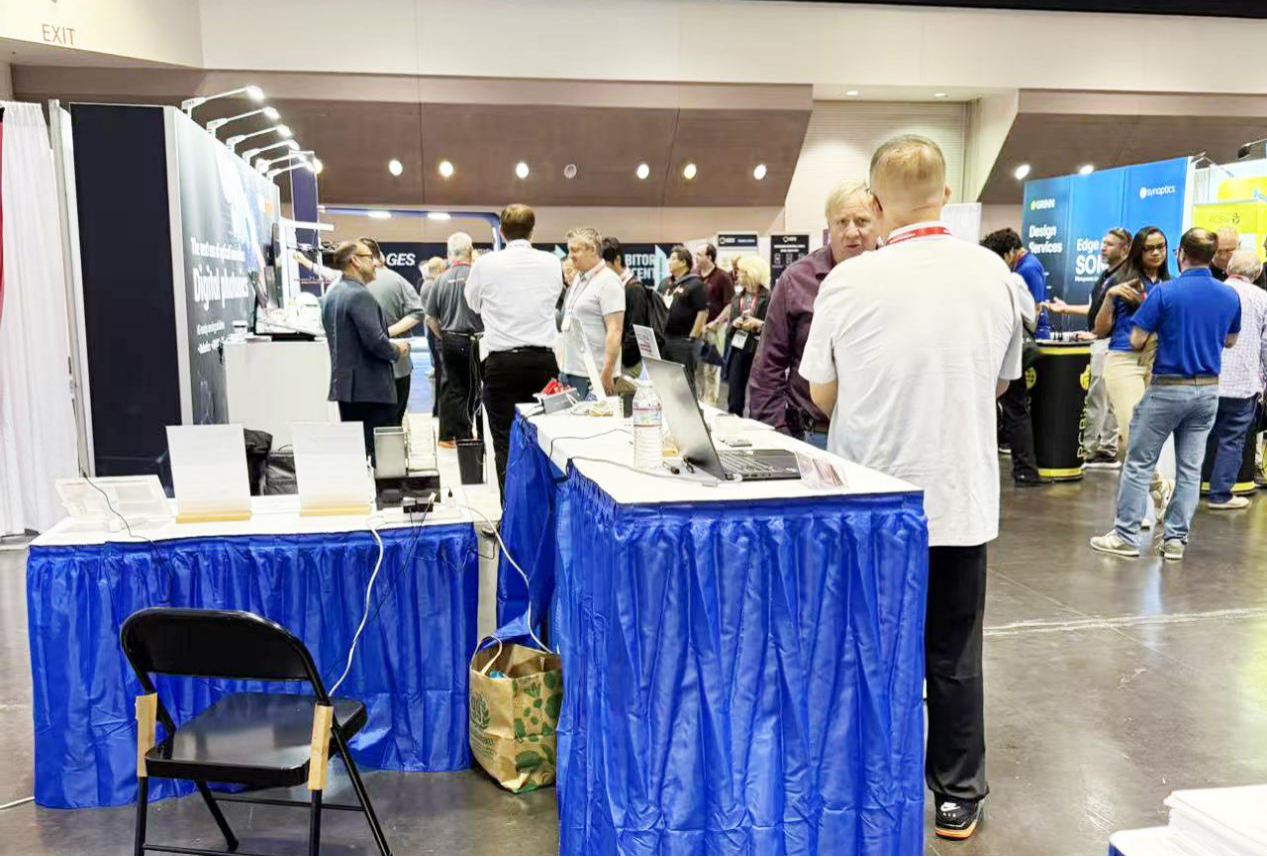
Micro-jet Air Fan (MUAF): A Custom Ultra-Lightweight Cooling Solution for Embodied AI Robots
The Micro-jet Air Fan (MUAF) is a revolutionary product developed by ADW to meet the cooling demands of compact electronic devices. By abandoning traditional fan bearing structures in favor of piezoelectric ceramic high-frequency vibration, the MUAF generates directional jet airflow, achieving excellent heat dissipation with minimal power consumption and noise.
Unlike traditional air-cooling systems that rely on high-speed rotating bearings, the MUAF utilizes the inverse piezoelectric effect. The high-frequency micro-deformations of the piezoelectric ceramic drive air to form high-speed directional jets. This approach eliminates mechanical friction and electromagnetic interference at the source, significantly extending the operational lifespan while ensuring silent performance. Due to its superior efficiency and ultra-slim profile, the MUAF shows immense potential in highly integrated scenarios such as high-density electronics, high-performance AI chips, and robotic joint motors.
Its thin form factor and low power draw make it the ideal choice for humanoid robot joint thermal management, effectively reducing the risk of "shutdowns" caused by motor overheating and ensuring long-term stable operation.
Micro-jet Liquid Pump: An Ultra-Thin, Zero-Noise Actuator Redefining Robot Cooling Circuit Design
The Micro-jet Liquid Pump represents a breakthrough in ADW’s micro-actuator portfolio. With an incredibly compact footprint of just 7mm × 7mm × 1.4mm, it achieves precision control over liquid propulsion. This ultra-slim dimension allows it to be embedded directly within the compact modules of downstream equipment, offering unprecedented design freedom for the intricate cooling circuits of humanoid robots.
As the core power unit for high-performance liquid cooling loops, the pump offers two critical advantages: zero noise and zero electromagnetic interference. It is the ideal "invisible" actuator for precision robotics where performance requirements are exceptionally stringent.
As Embodied AI demands higher cooling efficiency and more compact structures, the Micro-jet Liquid Pump is poised to play a vital role in cold-plate liquid cooling for servers, localized cooling within robot joints, and precision temperature control in miniaturized medical devices.
Secondary-side Coolant Flow Monitoring Solution: Powering AI Server Liquid Cooling
In AI server liquid cooling systems, precise flow monitoring is essential for accurate temperature control and system safety. Traditional industrial flow meters often rely on "mainline-only" monitoring, which fails to accurately reflect the cooling status of individual branches, making them inadequate for the rising demands of high-performance computing.
ADW’s Secondary-side Coolant Flow Monitoring Solution is a culmination of years of expertise in ultrasonic flow measurement. Utilizing a dual-technology path of ultrasonic sensing and vortex sensing, the system maintains a high precision of ±3% even under gas-liquid mixed-phase conditions.
By replacing traditional mainline monitoring with a "Mainline + Branch" dual-path architecture, this solution provides real-time dynamic feedback on temperature and flow changes at every node of the cold plate and heat exchanger. This powerful sensing network enables precise thermal management, ensuring stable server operation under high-power loads, effectively reducing PUE (Power Usage Effectiveness), and enhancing overall system reliability for enterprise clients.
 Come Back