


News

ADW Delivers Keynote at ASIA WATER 2026, Offering Deep Insights into the Evolution of Liquid Flow Metering Technology
Abstract: The dual-technology architecture of ultrasonic and vortex systems has garnered significant attention, as non-contact measurement emerges as the new focal point for smart water management.
Against the backdrop of persistent global water scarcity and the accelerated digital transformation of the water treatment industry, accurate and reliable flow metering technology is becoming the core infrastructure for smart water development. At ASIA WATER 2026, a representative from ADW delivered a keynote speech titled "Liquid Flow Metering Technology: The Evolution and Application from Contact to Non-Contact." The presentation systematically detailed the core technical principles of ultrasonic and vortex flow measurement while providing an in-depth comparative analysis of contact and non-contact technologies. The speech drew widespread interest from the professional audience, showcasing ADW’s deep technical expertise and industry insights in the field of liquid flow measurement.
Core Technology Analysis: The Time-of-Flight (TOF) Principle in Ultrasonic Flow Measurement
During the presentation, ADW technical experts provided a detailed explanation of the core principles behind ultrasonic flow measurement. The Time-of-Flight (TOF) method is the most widely adopted ultrasonic technique. Its fundamental principle relies on the fact that sound waves propagate at different speeds depending on the direction of fluid flow. By measuring the precise time difference between downstream and upstream propagation, the system calculates the fluid velocity and, subsequently, determines the volumetric flow rate.
Ultrasonic flow meters offer the transformative advantage of non-contact measurement. Because the sensors do not require direct contact with the medium, they eliminate interference with the fl
ow field, significantly enhancing measurement precision and stability. Since no moving parts come into contact with the fluid, there is zero mechanical wear, resulting in an extended service life and exceptionally low maintenance costs. Furthermore, ultrasonic meters remain virtually unaffected by variations in temperature, pressure, or density, making them a premier solution for measuring highly corrosive, non-conductive, radioactive, and hazardous media.
In the realm of non-contact measurement, Clamp-on Ultrasonic Flow Meters have gained significant traction due to their unique installation method. These sensors are mounted directly onto the outer pipe wall using brackets or coupling agents, eliminating the need for pipe cutting or process downtime. This "hot" installation ensures zero contamination of the medium, making it particularly suitable for sectors with stringent hygiene requirements—such as biopharmaceuticals and semiconductor manufacturing—as well as brownfield infrastructure retrofitting projects.
Vortex Flow Measurement: Karman Vortex Street Principles and High-Flow Application Advantages
The presentation also highlighted the technical principles of vortex flow measurement. Vortex flow meters operate based on the Karman Vortex Street principle in fluid mechanics: when fluid flows at a certain velocity past a "bluff body" (vortex generator) situated inside the sensor, a series of regular vortices are alternately generated on both sides. This phenomenon, known as a Karman Vortex Street, produces a vortex shedding frequency directly proportional to the fluid velocity. Sensors capture this frequency through detection elements and utilize intelligent algorithms to calculate the flow rate. This measurement remains unaffected by changes in the medium's temperature, pressure, or density, offering exceptional stability.
Vortex flow meters demonstrate significant value in industrial water treatment scenarios. This technology is capable of measuring a wide variety of liquids under high-temperature, high-pressure, and corrosive conditions, exhibiting strong media adaptability and high precision. Due to their relatively simple structure, they maintain high stability and reliability under high-flow and wide-range operating conditions. In processes involving large-diameter pipes and high flow velocities—such as wastewater treatment and industrial circulating water systems—vortex flow meters are a highly dependable choice for flow monitoring.
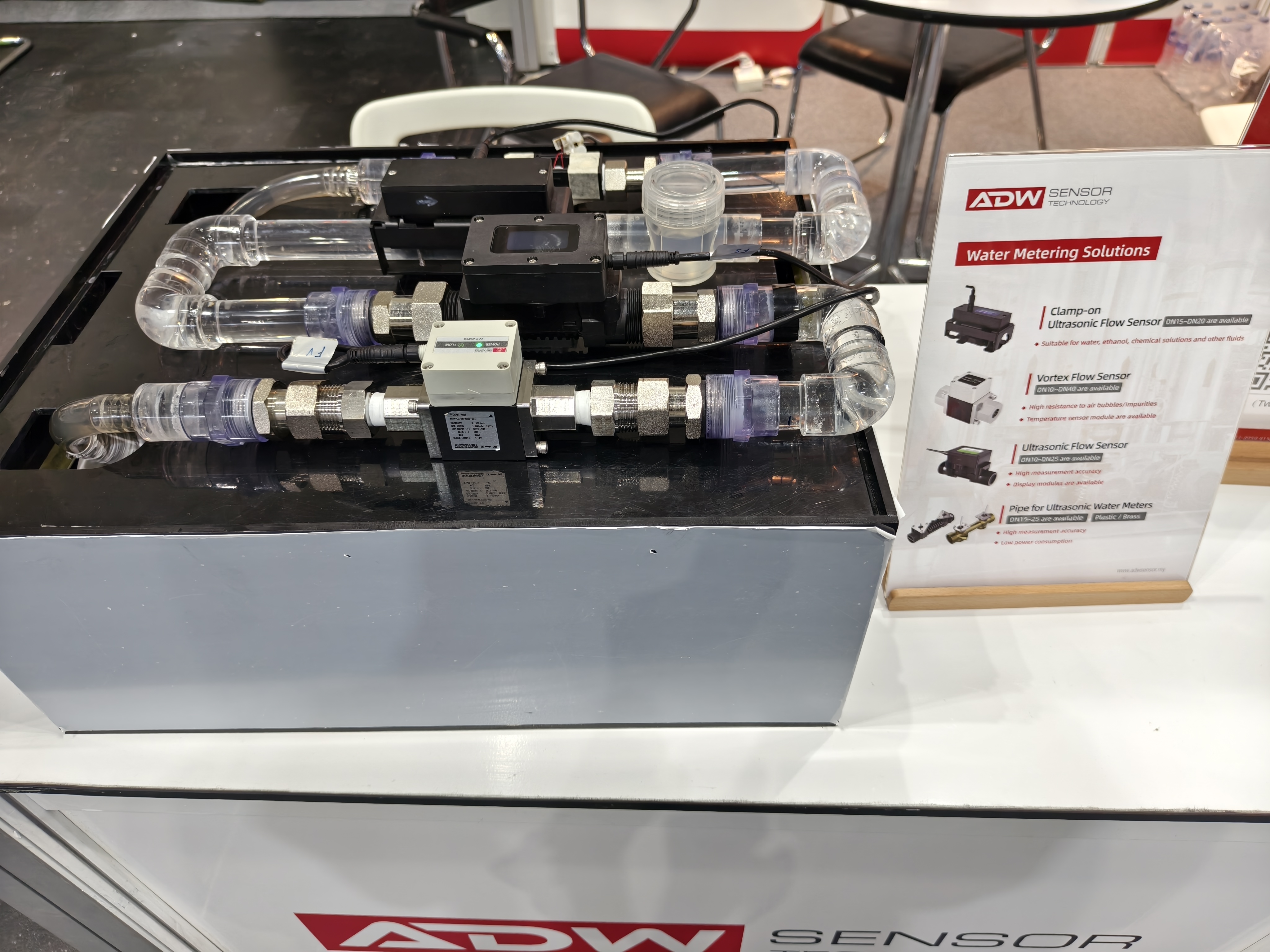
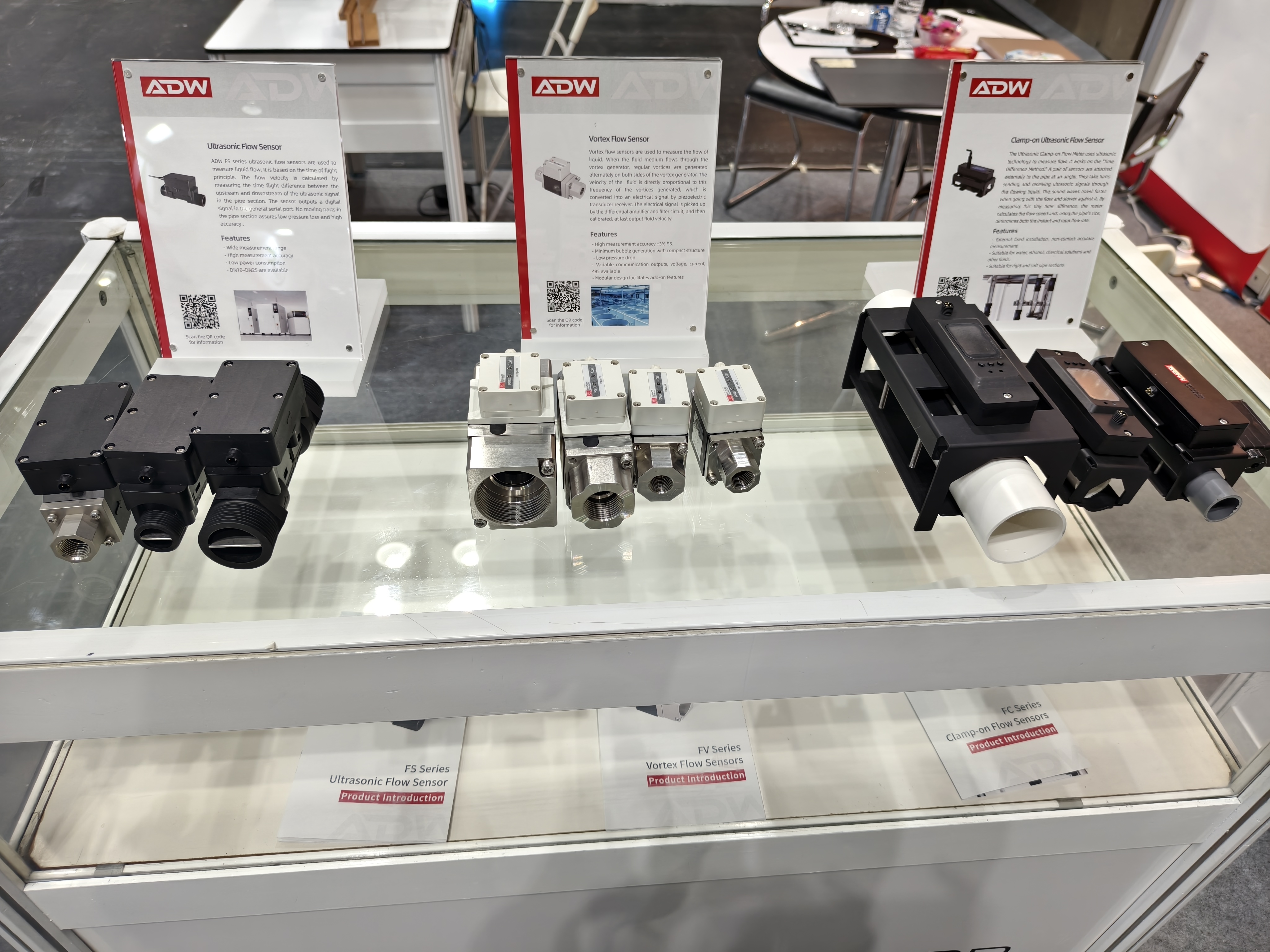
The ADW representative noted that the company has successfully integrated both ultrasonic and vortex technologies. By utilizing multi-sensor fusion, ADW has constructed a full-link flow monitoring system that achieves high-precision digital measurement and millisecond-level response speeds. This technological approach is capable of meeting the demands of every scenario, from delicate process control to large-scale industrial water treatment.
Comparative Analysis: Strategic Fit for Contact vs. Non-Contact Measurement
In the core segment of the keynote, ADW technical experts provided a systematic comparative analysis of contact and non-contact flow measurement technologies, offering industry users a clear decision-making framework for technical selection across various application scenarios.
Contact flow meters refer to measurement devices where the sensor is in direct contact with the fluid medium. These instruments are straightforward and technologically mature, making them widely used in traditional industrial measurement. However, contact measurement has distinct limitations: prolonged contact between the sensor and the fluid can lead to corrosion and mechanical wear, resulting in measurement drift or equipment damage. For highly corrosive, toxic, or ultra-pure media, contact measurement may contaminate the medium or pose safety risks to the hardware. Furthermore, these meters typically require pipe openings or flow interruption for installation, which can disrupt normal process operations.
Non-contact flow meters, represented by ultrasonic clamp-on devices, eliminate the need for direct contact between the sensor and the medium, completely bypassing issues of corrosion and wear. The core advantages of non-contact measurement include:
Non-invasive installation: No pipe cutting is required, ensuring zero disruption to process flows.
Maintenance-free operation: The absence of mechanical moving parts leads to an extended service life.
Extreme media compatibility: Suitable for highly corrosive, non-conductive, radioactive, and hazardous fluids.
Zero contamination: Ideal for sectors with stringent hygiene requirements, such as biopharmaceuticals and the food and beverage industry.
ADW’s clamp-on ultrasonic flow meters further integrate high-precision Time-of-Flight (TOF) measurement technology to meet rigorous industrial accuracy standards.
During the presentation, the ADW representative emphasized that contact and non-contact technologies are complementary rather than exclusionary. Contact flow meters still maintain an edge in cost and maturity for routine applications with stable operating conditions. Conversely, non-contact measurement demonstrates irreplaceable value in corrosive environments, high-cleanliness sectors, brownfield pipeline retrofitting, and industrial sites where shutdowns are not feasible. The synergistic application of both technology roadmaps allows for comprehensive coverage of the diverse measurement needs within the water management industry.
Flow Metering Technology: Driving the Future of Smart Water Management
ADW’s keynote at ASIA WATER 2026 received significant attention and positive feedback from industry professionals. Representatives from water utilities and system integrators expressed strong interest in the application prospects of ultrasonic non-contact measurement. This technology is increasingly viewed as a critical pathway for upgrading smart water systems, particularly in areas such as pipeline leakage monitoring, cleanroom processes in biopharmaceuticals, and the retrofitting of existing infrastructure.
In their concluding remarks, ADW technical experts pointed out that as IoT technology deeply integrates with digital water management systems, flow metering equipment is evolving from simple measurement tools into integrated sensing nodes—capable of data output, status monitoring, and intelligent early warnings. The inherent high sensitivity and non-contact advantages of ultrasonic Time-of-Flight (TOF) technology make it a natural fit for smart water ecosystems.
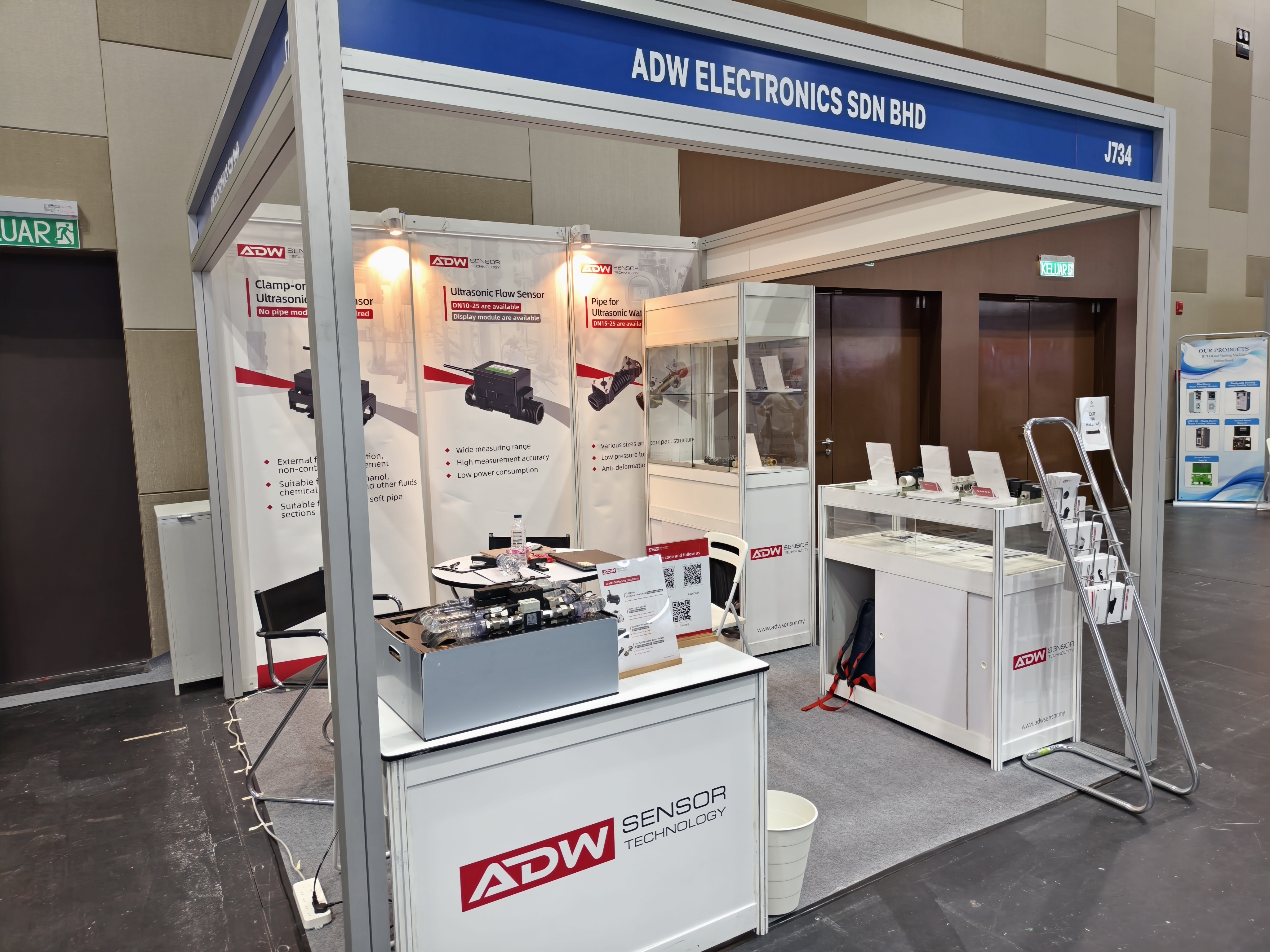
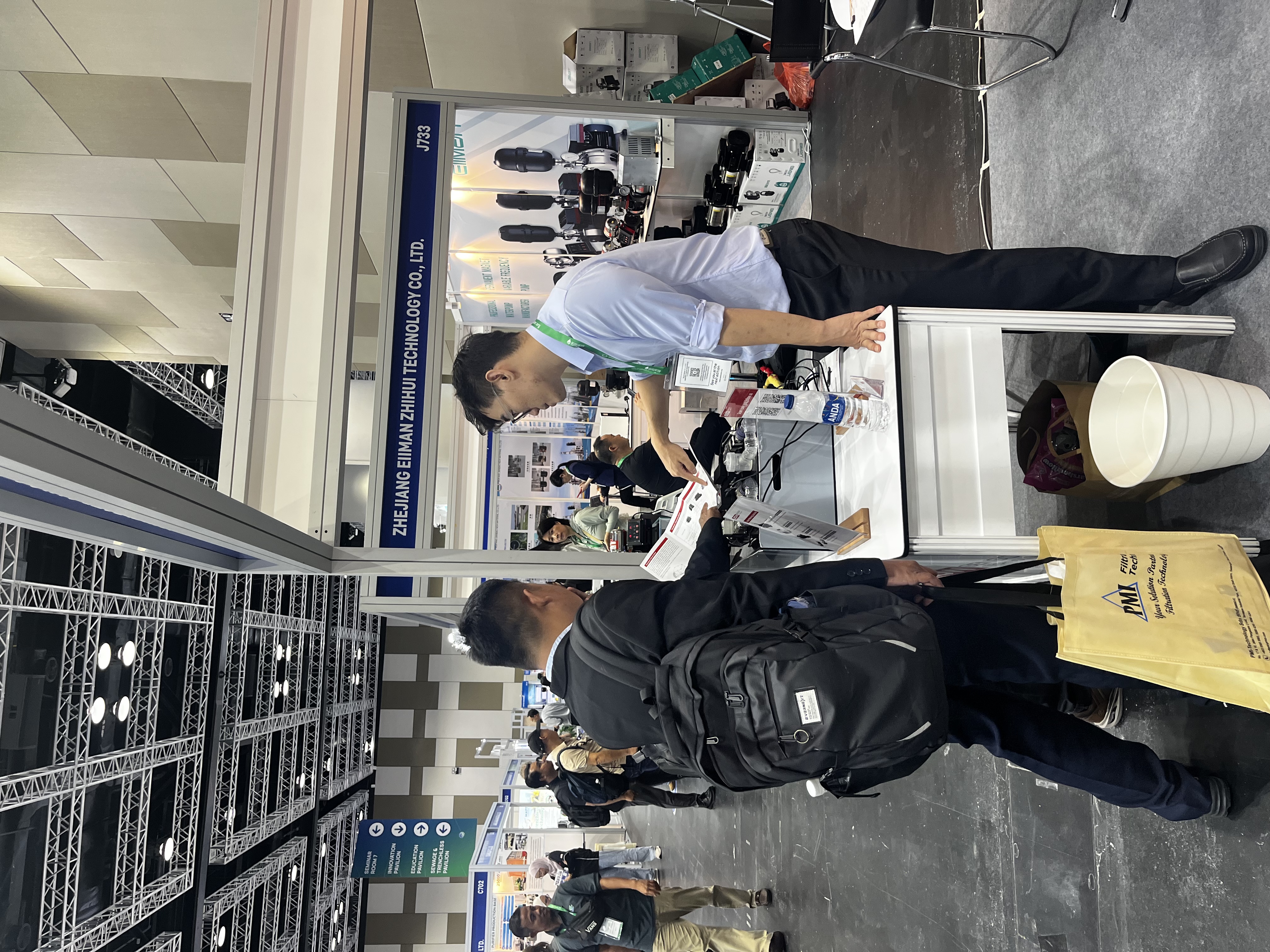
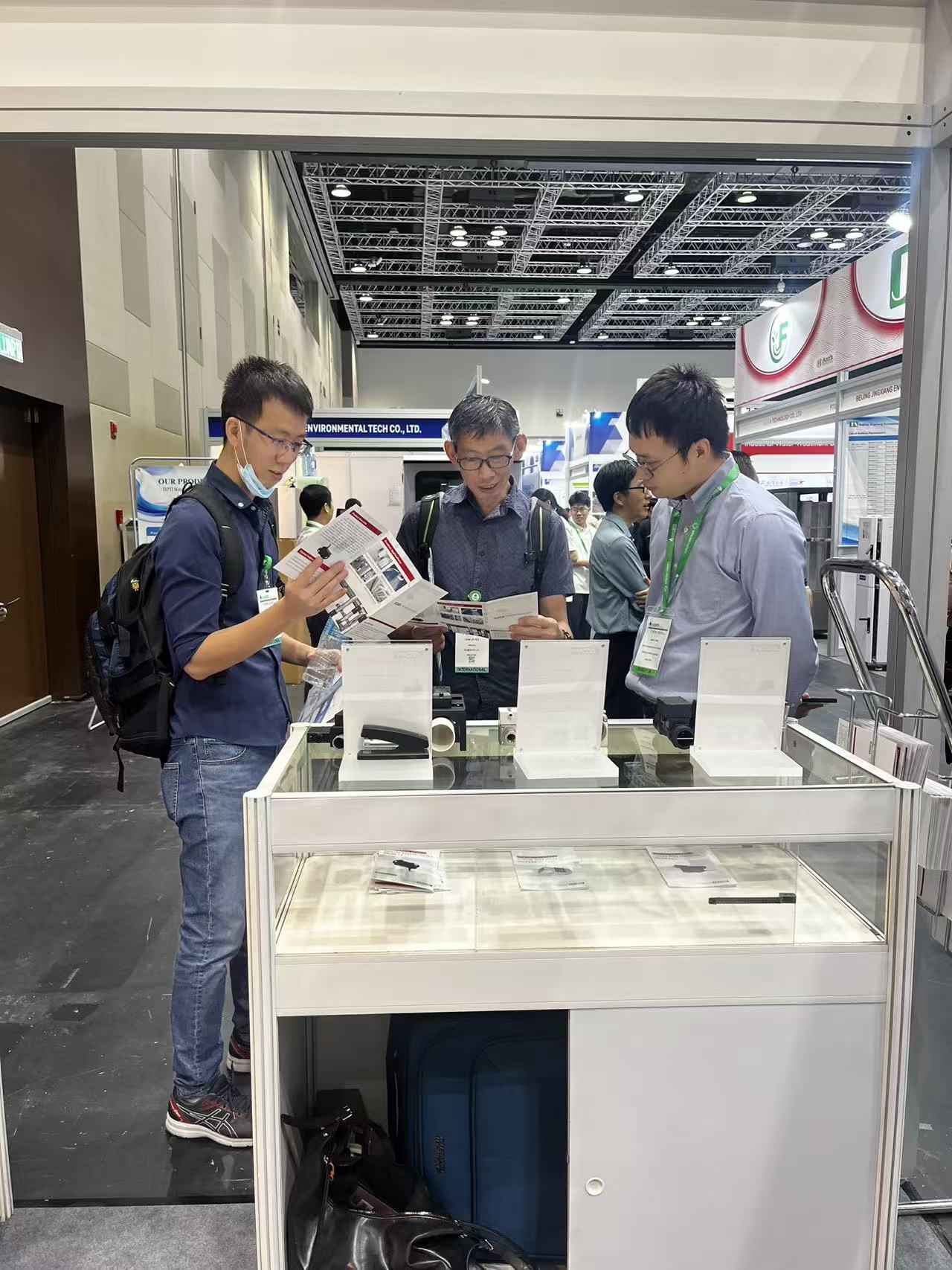
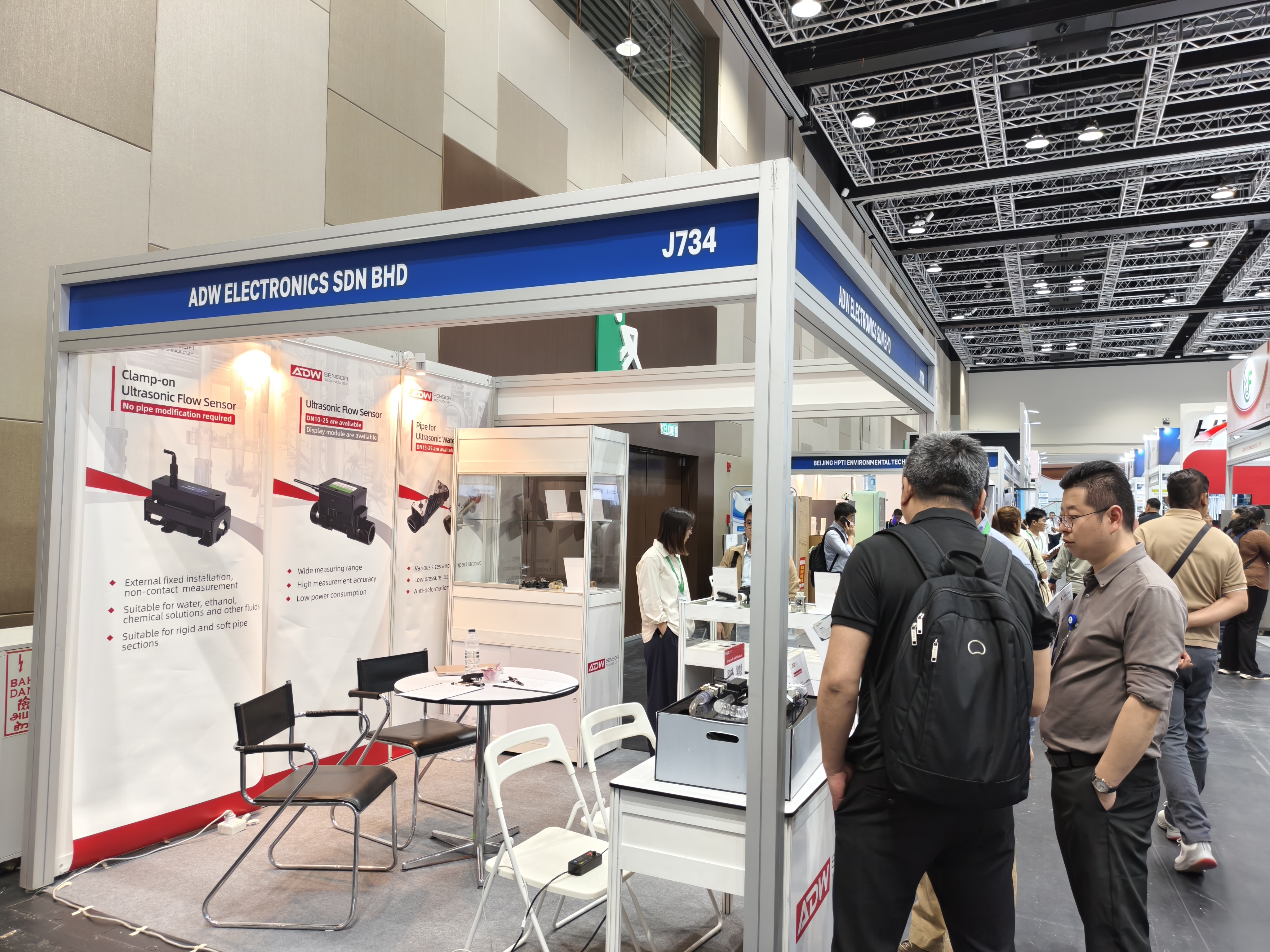
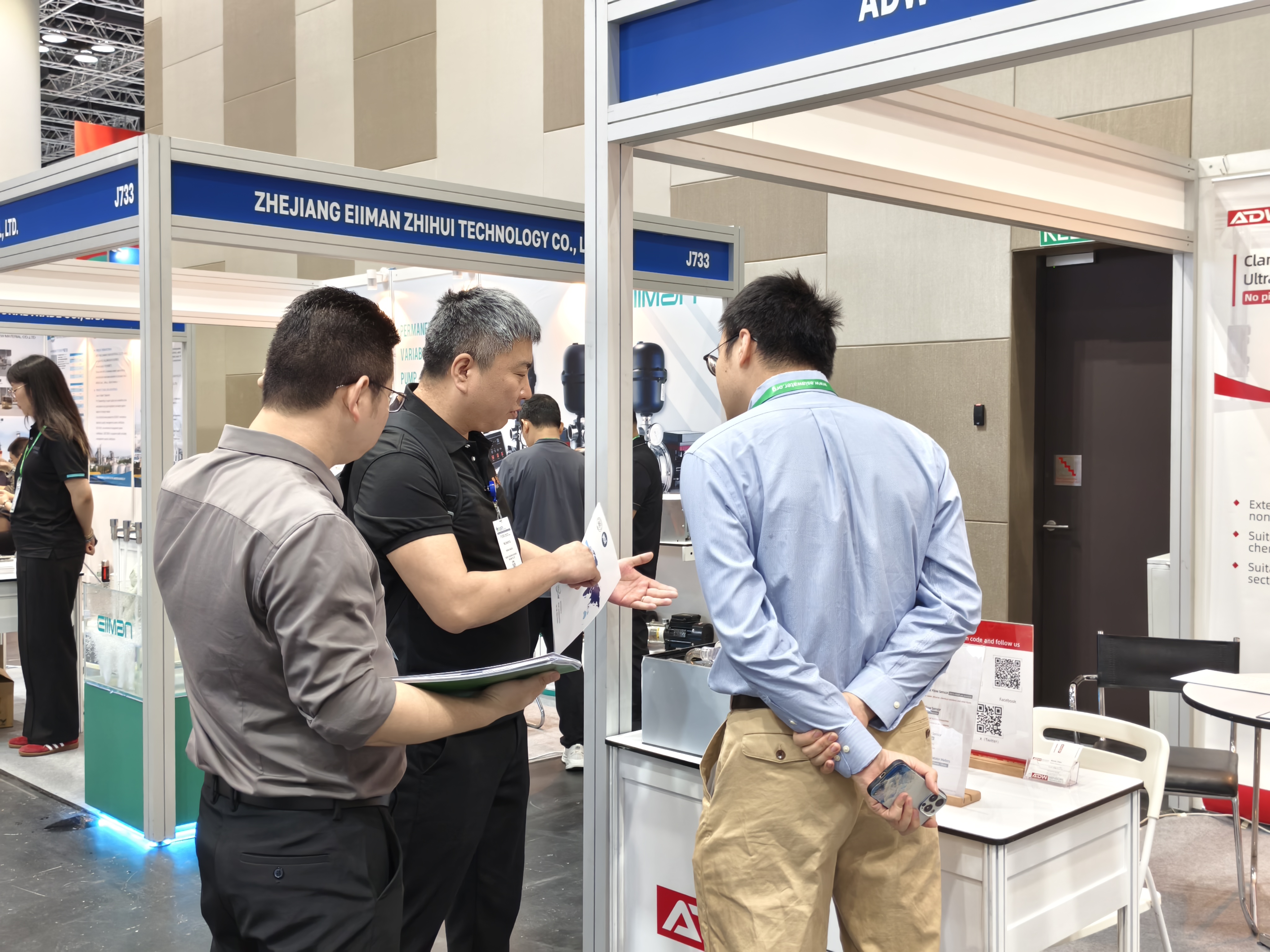
For more information and detailed technical specifications regarding ADW’s full range of water management flow monitoring products, please visit us at our booth for a consultation or visit our official website for further details.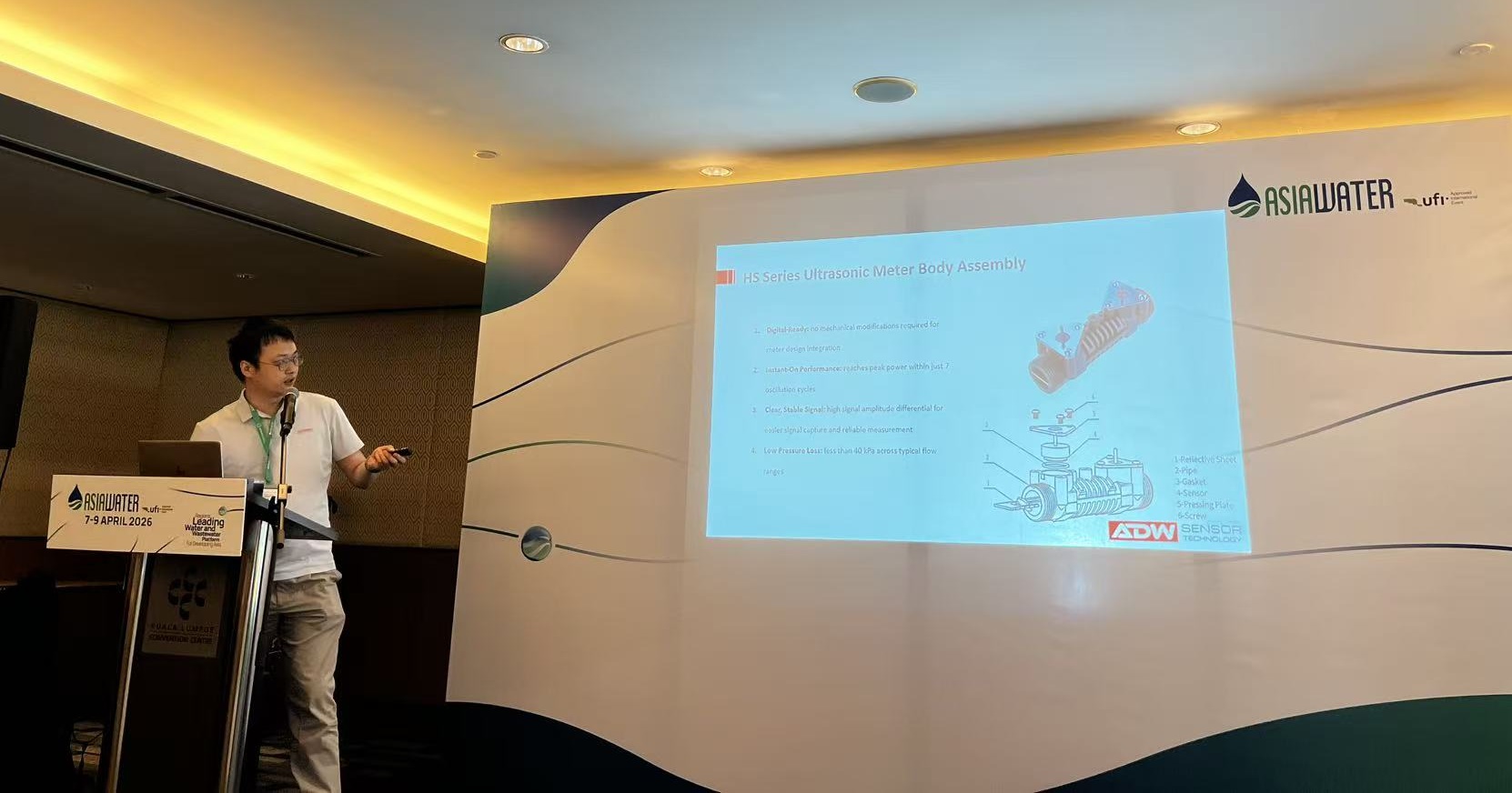
 Come Back