


News

Ultrasonic frequency: Typically 1.7 MHz or 2.4 MHz for efficient atomization and patient safety.
Maximum nebulization rate: Must deliver sufficient mist volume for different therapeutic needs.
Particle size: Uniform particles in the 1–5 μm range to ensure effective drug delivery to the respiratory tract.
Noise level: Low operational noise for patient comfort.
Adjustable nebulization rate: Allows customization for different patients.
Low water level protection: Automatic shut-off or warning to prevent dry operation.
Timer function: Enables controlled treatment duration.
Continuous operation: Should maintain performance over extended use.
Design and structure: Clean, ergonomic, easy to maintain.
Environmental adaptability: Stable performance under varying conditions.
Electrical safety: Compliance with medical electrical standards.
Sterility and microbial limits: Patient-contact components must meet hygiene standards.
Chemical stability: Materials must resist drug-induced degradation.
Ease of cleaning and sterilization: Components should withstand disinfection and sterilization cycles.
User interface: Simple, intuitive controls for patients and healthcare staff.
Maintenance and calibration: Easy servicing to ensure accuracy.
Data recording: Advanced models may track treatment history.
Regulatory compliance: Must meet standards such as YY 0109-2013, CE, FCC certifications.
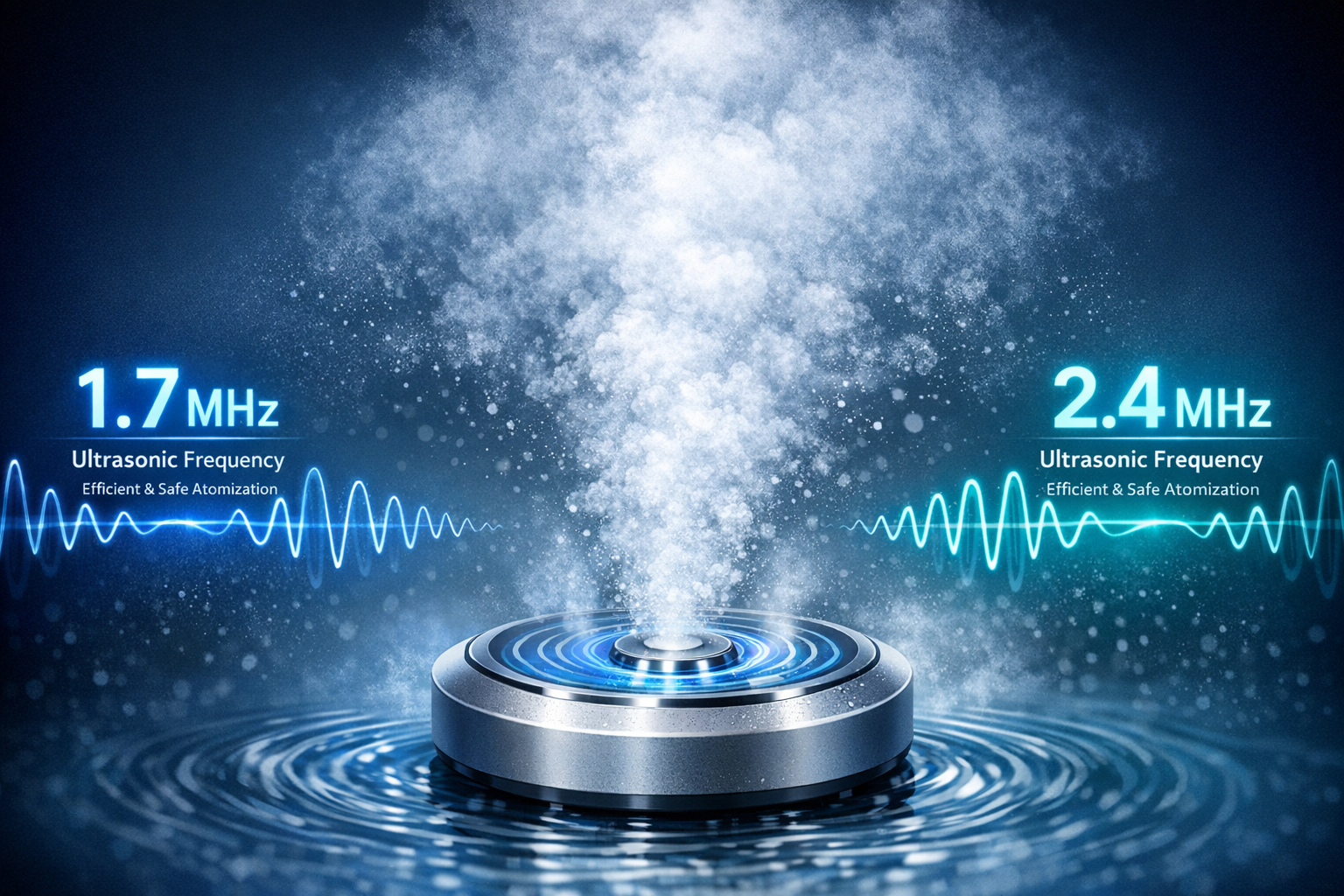
Energy conversion: Piezoelectric ceramic converts electrical energy into mechanical vibration.
Mist generation: Vibrations create microbubbles that burst into fine aerosol particles.
Control of mist output: Voltage and frequency adjustments regulate particle size and mist volume.
Efficiency: Produces fine, uniform particles for better drug absorption.
Safety: Operates at ultrasonic frequencies beyond human hearing, ensuring quiet use.
Maintenance: Designed for easy replacement and cleaning.
Versatility: Different plate types (micro-porous, ceramic) for varied applications.
Smart integration: Works with intelligent control systems for optimized atomization.
Durability: Lifespan typically exceeds 3000 hours with proper care.
Multi-use: Beyond medical therapy, also used in humidifiers, beauty devices, and disinfection.
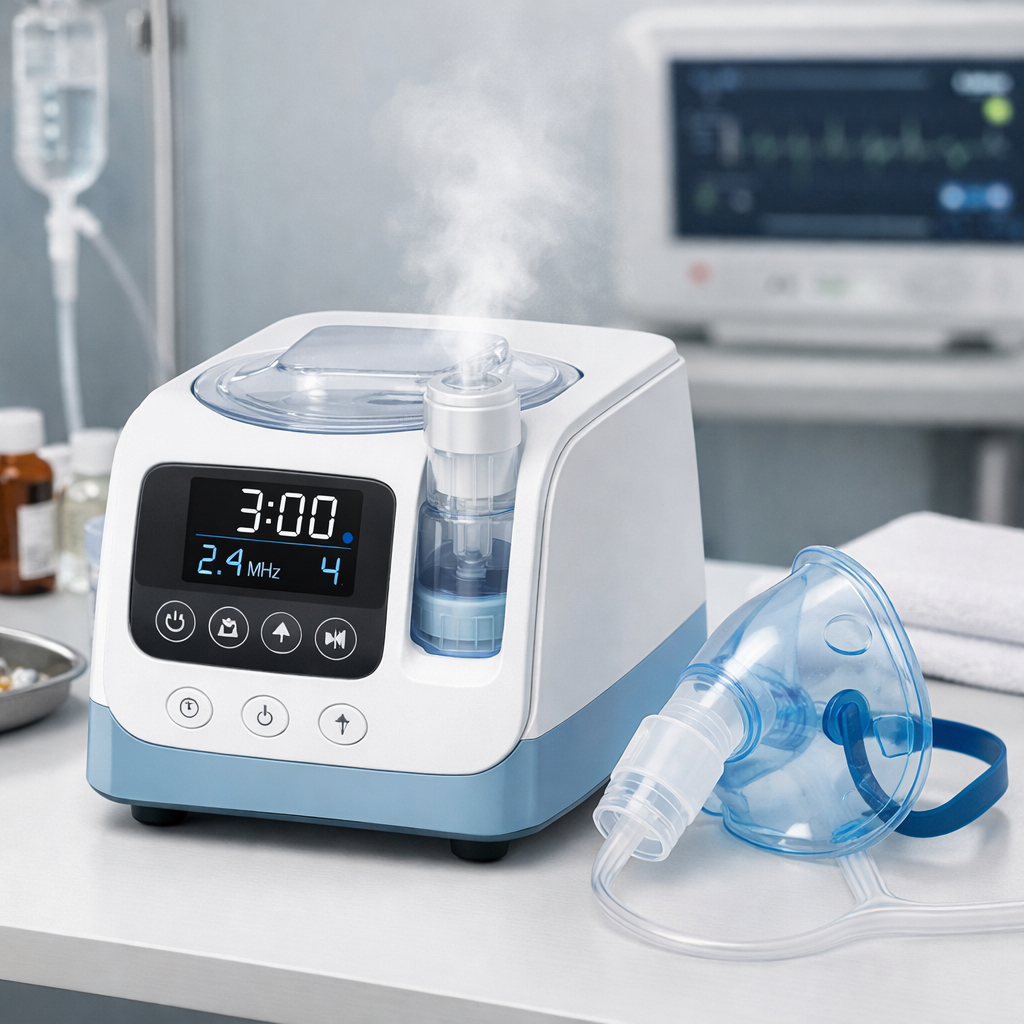
Technical strengths: Proprietary piezoelectric materials with high temperature stability and corrosion resistance.
Energy efficiency: Consumes less power compared to traditional heating humidifiers.
Health benefits: Releases negative ions that help purify indoor air.
Wide applications: Medical therapy, indoor humidification, automotive fragrance systems, stage effects, and more.
Stable performance: Optimized circuit and nebulizing plate matching ensures consistent mist output.
Innovation: Expands sensor performance and application scenarios.
R&D investment: Continuous development to meet evolving market needs.
Market leadership: Strong presence in automotive electronics and smart devices.
Smart modules: Specialized solutions for cars, refrigerators, humidifiers, enhancing user experience.
Industry impact: Driving technological progress and expanding market potential.
 Come Back