


News

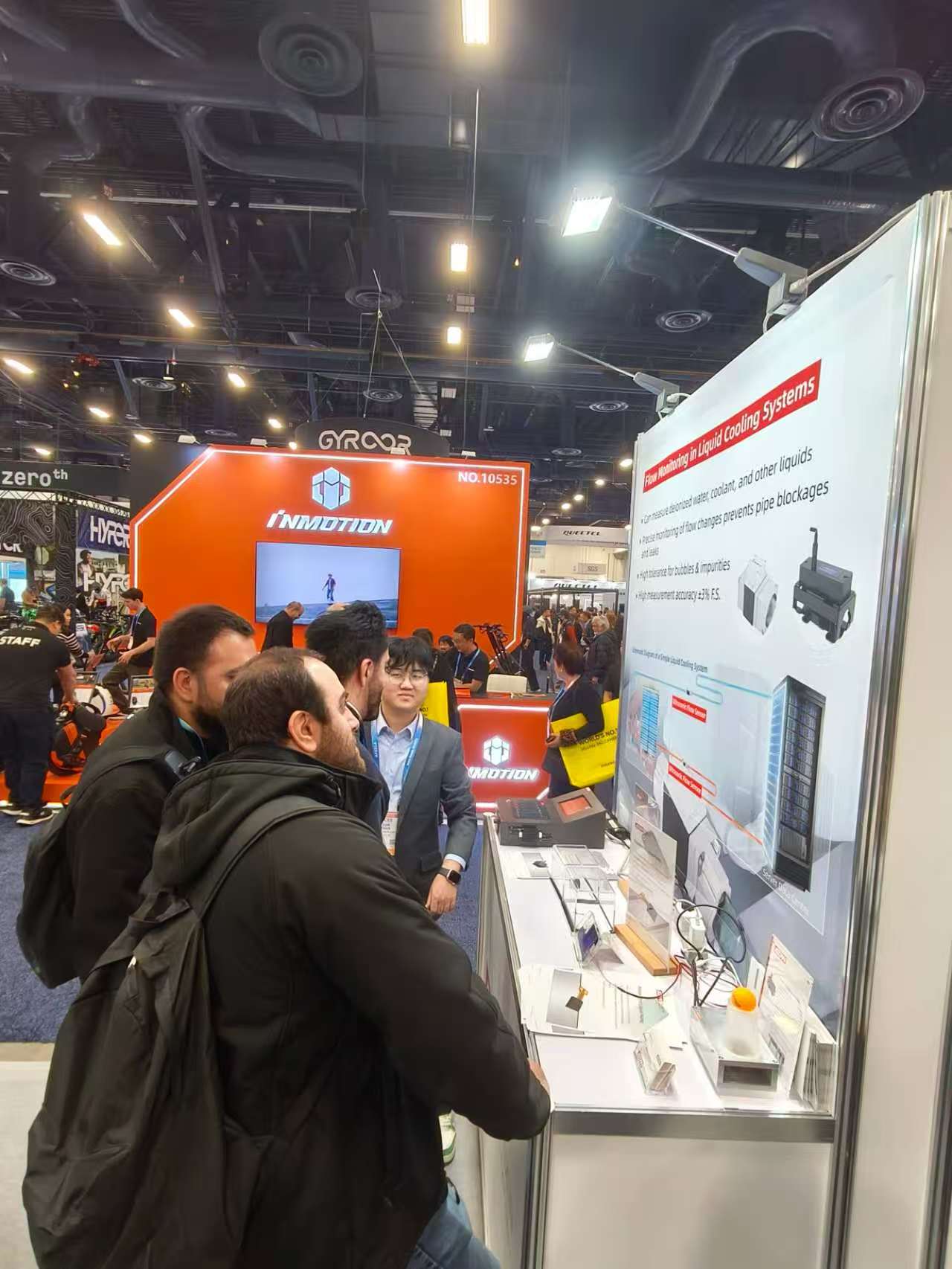
Ultrasonic Flow Sensor Module exhibited at the Consumer Electronics Show (CES) in Las Vegas, USA.
Consumer Electronics Show (CES)
Dates: January 6–9, 2026
Location: Las Vegas, USA
Booth Number: North Hall 10529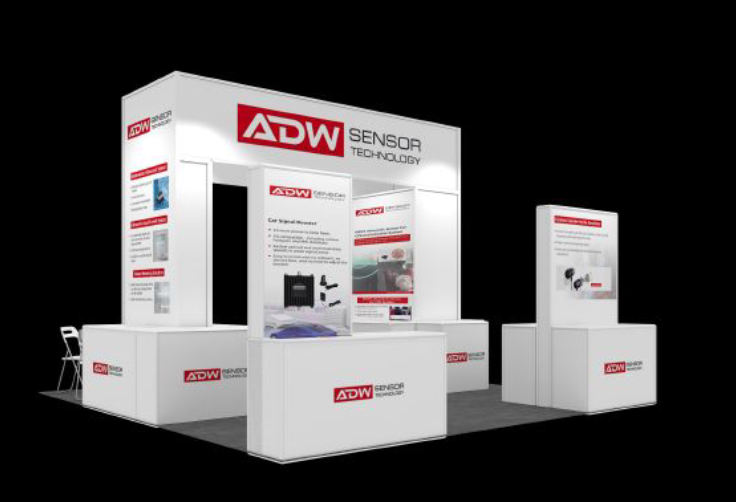
The Ultrasonic Flow Sensor Module is a clamp-on, inline flow measurement device that operates on the time-of-flight (transit-time) difference principle and directly outputs digital flow signals. It calculates the real-time flow velocity and rate by precisely measuring the time difference for ultrasonic pulses to travel downstream and upstream within the fluid.
This module typically consists of a pair of ultrasonic transducers working in a master-slave configuration, a precision-machined measurement spool piece, and a highly integrated signal processing circuit. The core circuitry is responsible for driving the transducers, capturing the minute time difference signals, and performing complex calculations. The results are then output via a serial communication interface. The transmitted digital information usually includes key data such as instantaneous flow rate, totalized flow, and flow status (e.g., empty pipe, flowing, reverse flow).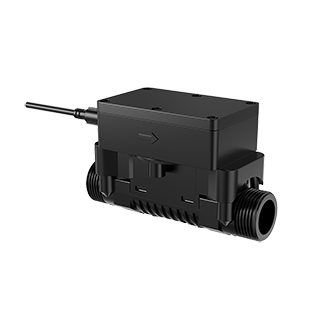
Its main technical features include:
Real-Time, Accurate Measurement: Utilizes the transit-time difference principle to achieve high-precision real-time liquid flow measurement.
Negligible Pressure Loss: The flow channel within the spool piece is unobstructed, containing no moving mechanical parts, resulting in minimal pressure drop across the system.
High Reliability: Non-contact measurement method avoids wear and clogging issues common in traditional mechanical meters, ensuring long service life.
Integrated Digital Output: Direct digital signal output offers strong noise immunity and facilitates easy system integration. Support for standard communication protocols like M-Bus simplifies connection to smart metering systems.
Leveraging these advantages, the Ultrasonic Flow Sensor Module is widely adopted in applications demanding high measurement accuracy, reliability, and integration convenience. These include residential and building smart water management systems, leak detection and early warning in water supply networks, and precision smart agricultural irrigation systems requiring on-demand water delivery. It serves as a key technological enabler for the refined management and efficient utilization of water resources.

 Come Back