


News

From the relentless high-speed computations of large models in cloud data centers to the bustling activity of robots in research institutes and modern factories—and even humanoid robots transforming into domestic assistants—AI and embodied intelligence, driven by supercharged computing power, are writing a surging new chapter of our era.
Yet, the flip side of this massive tide of computing power is a "thermal torrent" and an unprecedented energy challenge. Heat dissipation, once dismissed as a secondary auxiliary technology, has now become a critical lifeline that affects equipment stability, determines the ceiling of computing performance, and dictates the sustainable development of the entire industry.
The Explosion of Computing Power Drives a Thermal Revolution
The explosive growth in global demand for computing power is reshaping the technological landscape at an unprecedented pace.
With the rapid iteration of NVIDIA’s GPU architectures and the escalating chip race among major manufacturers, the performance of computing infrastructure has soared—and power consumption has followed suit. This has forced thermal solution providers to race to keep up through continuous technical upgrades.
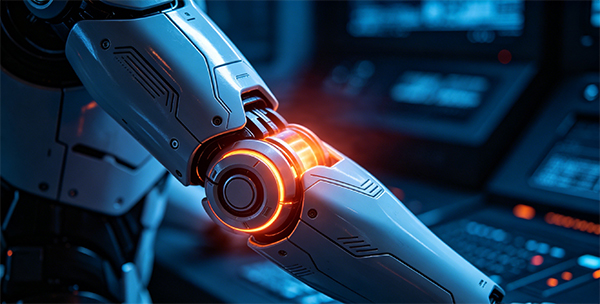
Embodied intelligent robots present an even greater challenge. Within limited physical space, they integrate high-performance computing units, drive motors, and various sensors and actuators. Heat sources are both intricately distributed and highly concentrated, demanding more sophisticated and robust cooling systems.
Furthermore, heat dissipation is no longer just the foundation for the long-term stability of computing infrastructure and robots; it is a mandatory requirement for improving social energy efficiency and achieving sustainable development. The needs of end customers have evolved from simply "cooling down" a machine to a systemic revolution in thermal management.
Challenges bring opportunities. The market space created by the computing flood and embodied intelligence is opening wide for the entire supply chain—from cooling materials and media to sensors and Coolant Distribution Units (CDUs). Companies capable of providing more efficient, precise, and integrated thermal solutions will dance alongside AI and take flight with it.
ADW’s "New Solution" for Thermal Control Set for Release
As a leading enterprise in the field of intelligent sensors, ADW has long focused on the R&D and production of core sensor and actuator technologies, establishing a stable market advantage in mature fields such as smart homes and intelligent vehicles.
In 2023, ADW proposed a strategy to "coexist and evolve" with artificial intelligence, focusing on the AI periphery and accelerating its layout in the emerging fields of AI and embodied intelligence.
Addressing the current thermal pain points of computing infrastructure and embodied intelligence, ADW has leveraged its long-term technical expertise and innovation capabilities to build a next-generation intelligent thermal management system consisting of "Chip-level Liquid Cooling + Intelligent Flow Control + Micro Fans." This ecosystem demonstrates the immense potential of new sensors and actuators in the thermal field.
On April 14, ADW will hold a major launch event to officially introduce its new intelligent thermal sensing products designed specifically for computing servers, chips, and robotic thermal control.

At that time, top international experts in the sensor field, representatives from the upstream and downstream of the computing power industry chain, and industry investors will gather to conduct in-depth discussions on thermal management technology in the AI era and the market prospects of the sensor industry.
This is not merely a product launch; it is a redefinition of "body temperature management" for AI infrastructure and embodied intelligence.
Let us look forward to April 14 together.
 Come Back