


News

Innovative Applications of Sensors in Smart Glasses
As technology evolves, sensors in smart glasses are enabling a growing number of innovative and intelligent applications. Some notable examples include:
• Health Monitoring
With built-in heart rate, blood oxygen, or other biometric sensors, smart glasses can continuously monitor vital signs and detect potential health risks. For example, Sense smart glasses use OCO sensors and a 9-axis IMU to track facial muscle activity, helping evaluate emotional states and mental health.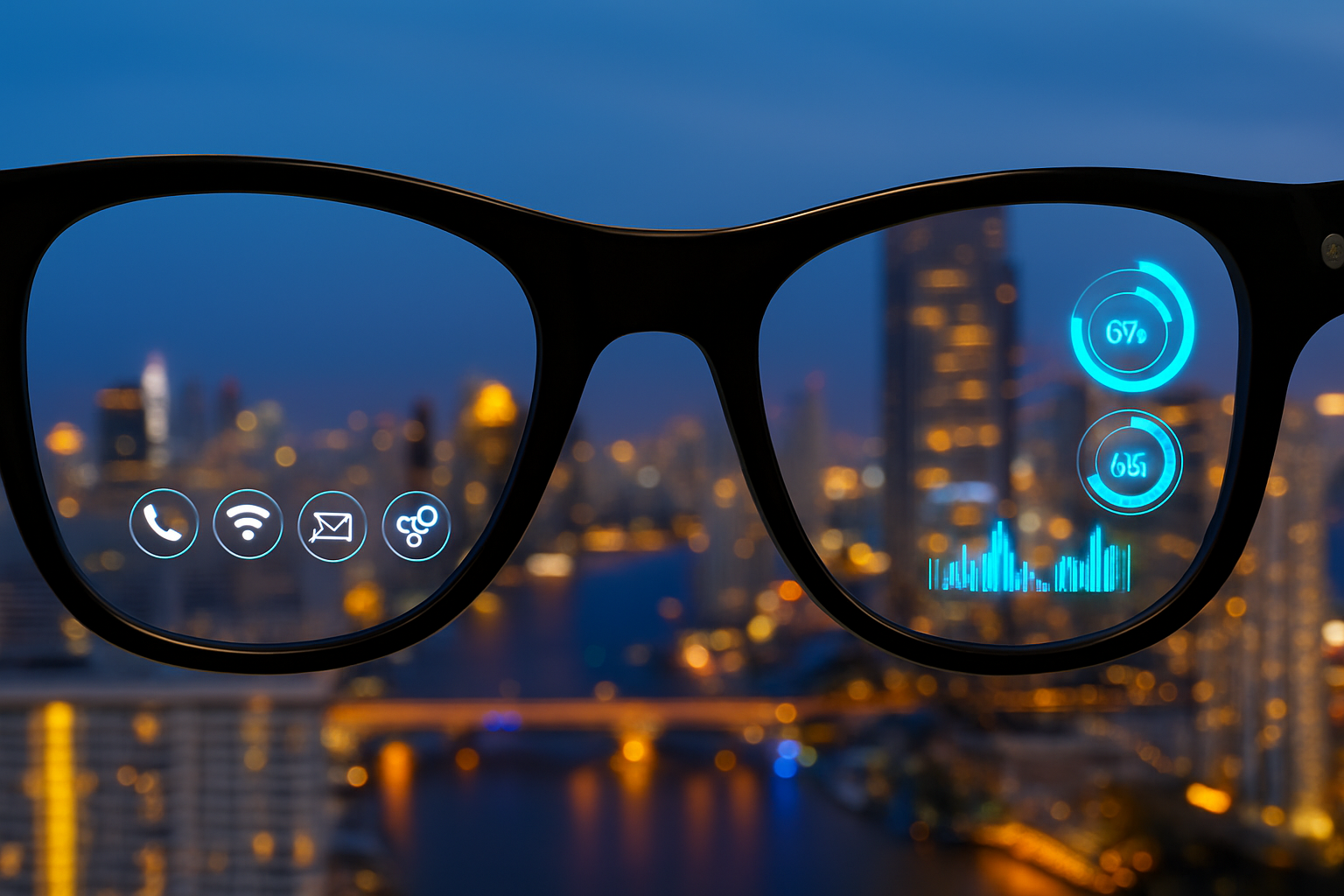
• Augmented Reality (AR)
By combining camera sensors, gyroscopes, and accelerometers, smart glasses can overlay digital information on top of the real world.
Applications include:
– Real-time navigation overlays
– Interactive educational content
– 3D model visualization
– On-site training and demonstrations
• Gesture Control & Voice Interaction
Motion sensors and microphones allow users to control the glasses through gestures, head movements, or voice commands. This creates a natural and convenient hands-free interaction experience.
• Environmental Awareness & Smart Notifications
Light sensors, proximity sensors, and other modules help the device understand the environment and user behavior. Examples include:
– Automatic display brightness adjustment
– Alerts when the user has been wearing the glasses for too long
– Smart reminders based on activity or surrounding conditions
Future Outlook & Challenges
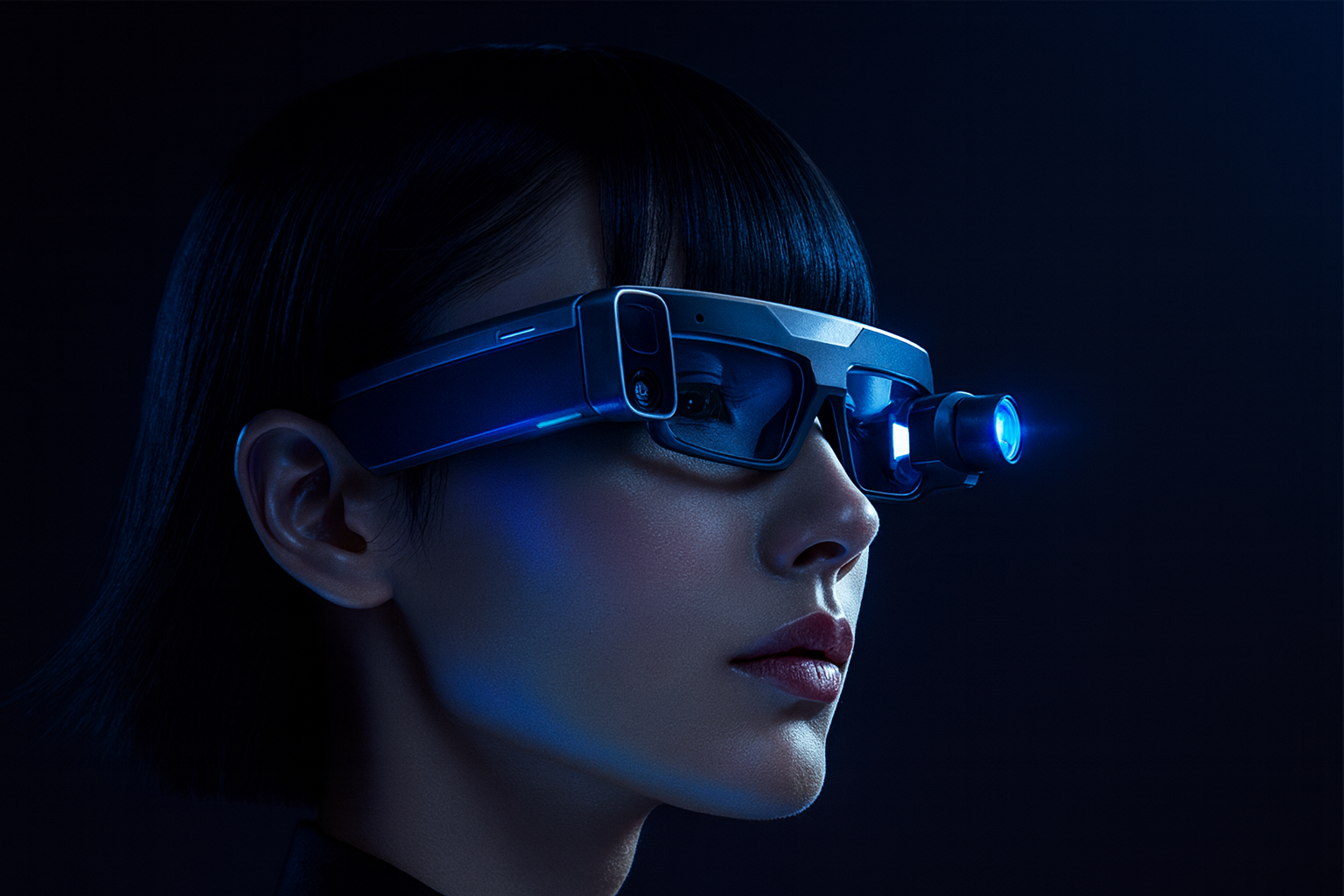
With growing consumer demand and rapid technological advancement, sensor applications in smart glasses will continue to expand. Future developments may include:
• Higher-Precision Sensors
New generations of sensors will offer improved accuracy and sensitivity, enhancing perception and interaction.
• More Intelligent Interaction Methods
Through AI and machine learning, smart glasses will support advanced features such as eye-tracking, emotional analysis, and predictive interaction.
• Broader Application Scenarios
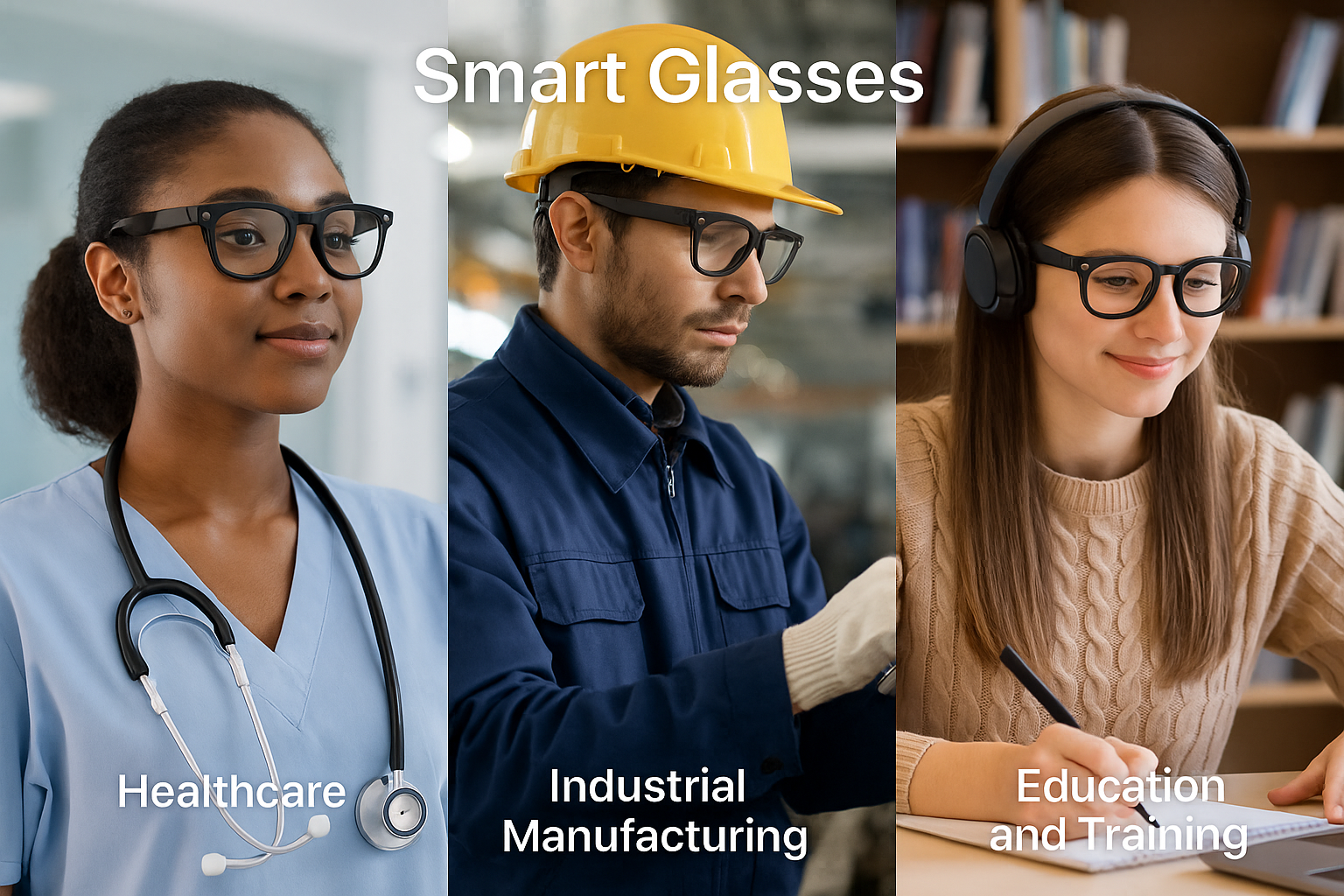
Smart glasses will move beyond consumer electronics and expand into:
– Healthcare
– Industrial manufacturing
– Education and training
– Field operations and logistics
However, smart glasses still face challenges such as battery life, device weight, heat management, and privacy protection. Addressing these issues will require close collaboration and innovation across the entire industry ecosystem.
Conclusion
Smart glasses are reshaping human-technology interaction. Sensors—acting as the core foundation of smart glasses—continue to evolve and enable richer, more intelligent applications. As sensor technology advances and new use cases emerge, smart glasses will become increasingly powerful, user-friendly, and indispensable across various industries.
 Come Back